Lease-To-Own Can Help Build or Improve Your Credit
For many consumers—especially those with low or no credit—finding ways to build or rebuild credit can be challenging. One lesser-known but increasingly popular option is a lease-to-own purchase . These agreements allow consumers to get the items they need today, such as furniture, electronics, or appliances, while paying over time in a series of rental payments with the option to own at the end of the term.
But the big question is: can lease-to-own purchases help improve your credit score? The answer is yes—if used wisely. In this article, we’ll explain how lease-to-own purchases work, how they can influence your credit score, and the dos and don’ts to maximize the benefits.
What Is a Lease-to-Own Agreement?
A lease-to-own agreement, also known as rent-to-own, is a payment arrangement where you agree to rent an item for a period of time with the option (or obligation) to purchase it at the end of the lease term. These contracts typically don’t require a high credit score, making them attractive to people who may not qualify for traditional financing.
Some common items offered under lease-to-own agreements include:
- Furniture and mattresses
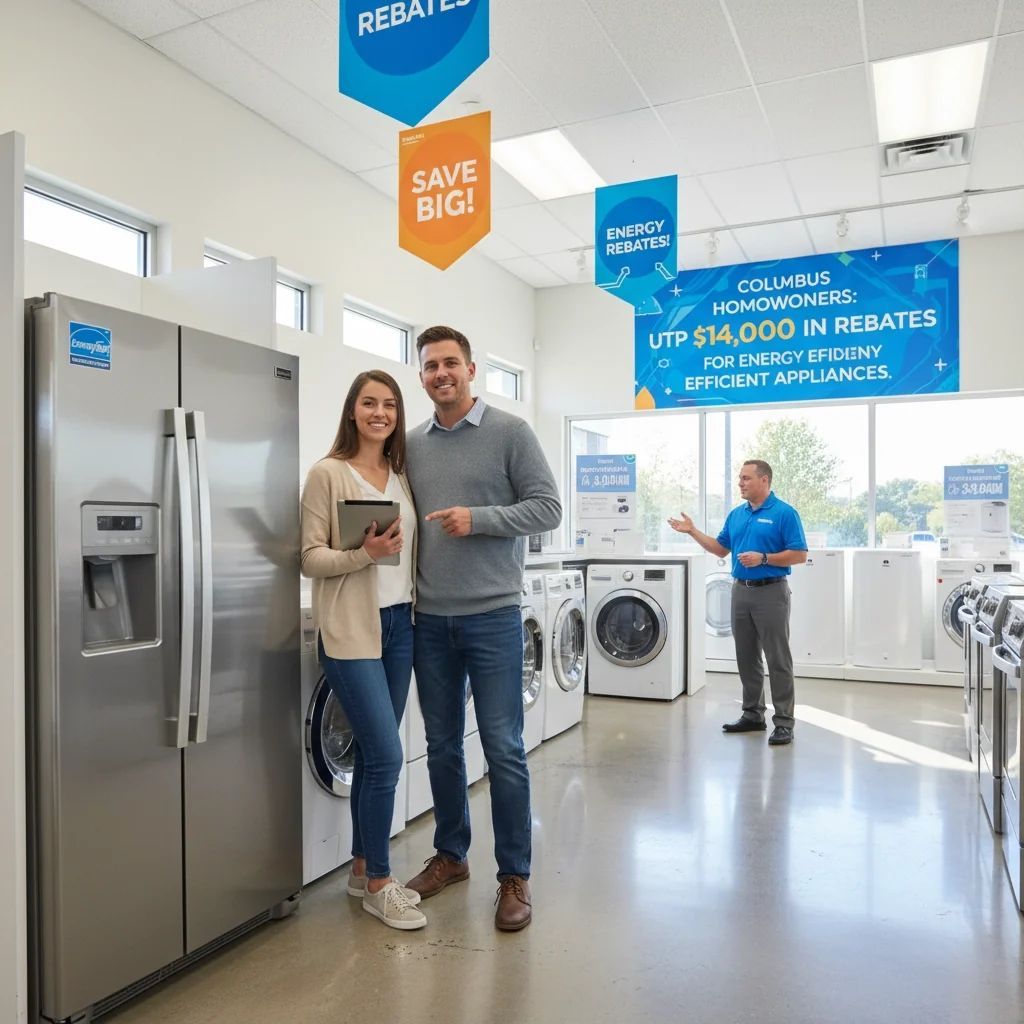
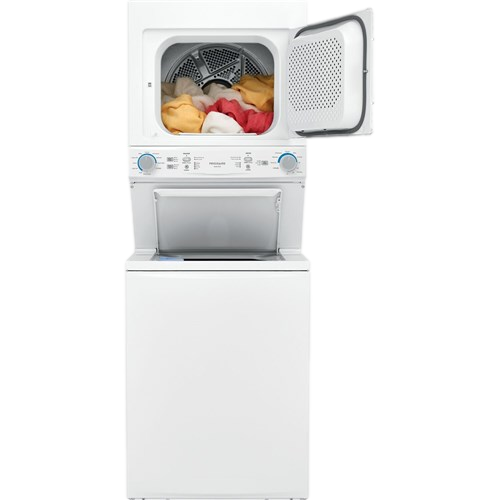
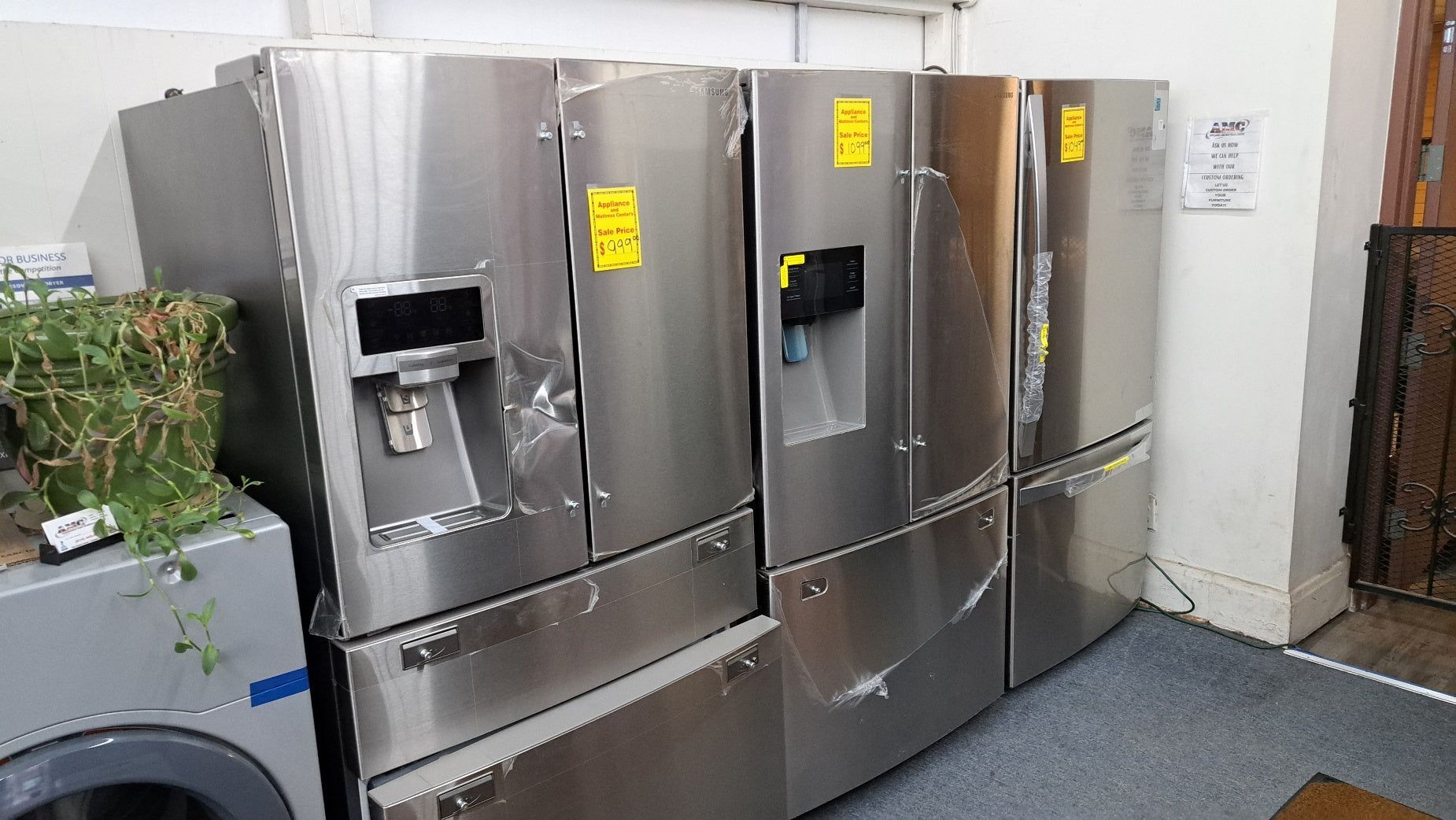
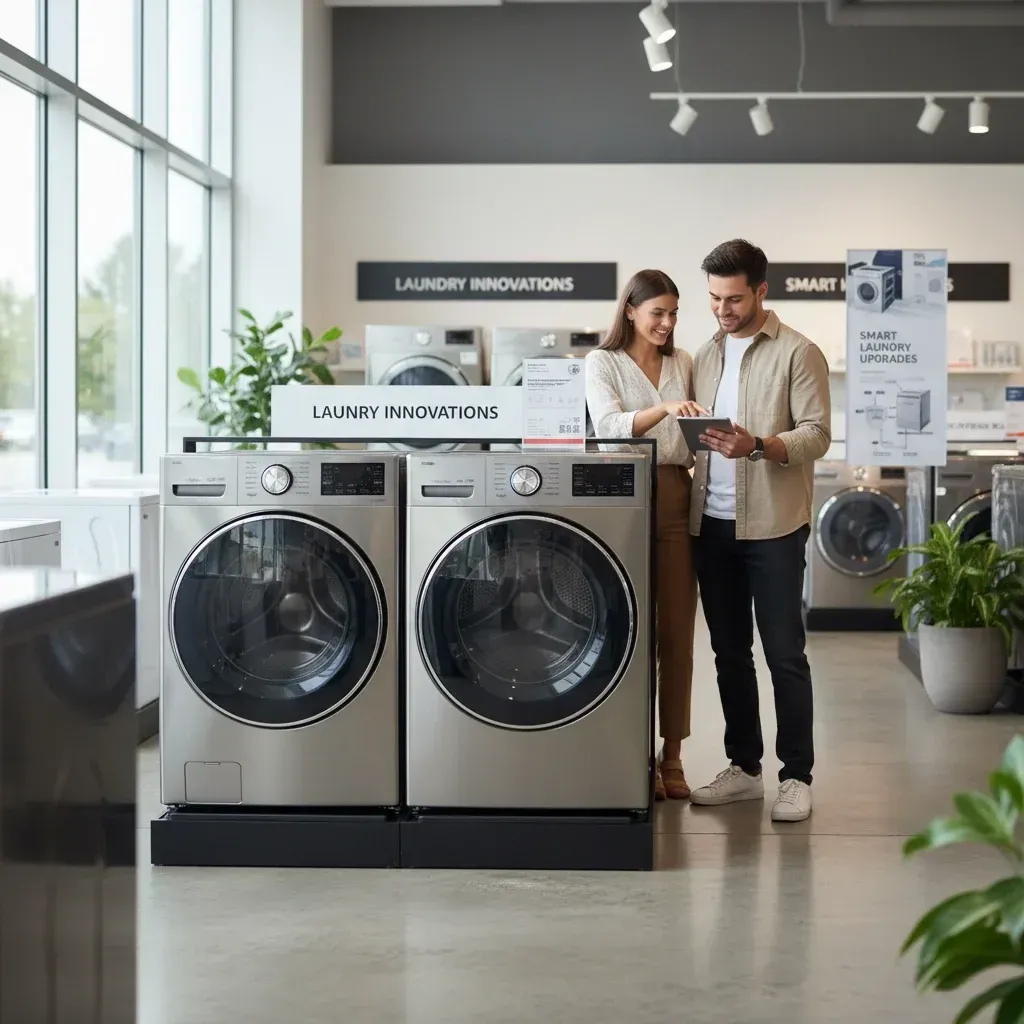
- Appliances (e.g., refrigerators, washers, dryers)
- Electronics (e.g., laptops, TVs, game consoles)
- Tires and wheels
The lease payments are usually made weekly, biweekly, or monthly, and consumers can return the item at any time without further obligation.
Can Lease-to-Own Help Build Credit?
Yes, lease-to-own purchases can help build or improve your credit score , but only if the company reports your payment history to the major credit bureaus: Equifax, Experian, and TransUnion .
Not all lease-to-own companies report to credit bureaus. However, those that do can help you build a positive payment history, which is the largest factor in your credit score (making up about 35% of your FICO score).
When you make your payments on time consistently, your credit report can reflect that responsible behavior, potentially boosting your score over time.
Make Sure to Ask: Do They Report?
Before entering a lease-to-own agreement, always ask the provider:
- "Do you report payment history to the credit bureaus?"
- "Which bureaus do you report to?"
- "Is there an extra fee for credit reporting?"
Companies like Acima, Progressive Leasing, and Snap Finance offer lease-to-own financing and report to at least one major credit bureau.
How Lease-to-Own Can Impact Your Credit Score
Your credit score is determined by several factors. Lease-to-own agreements can affect the following:
- Payment History (35%) : On-time payments build a good record.
- Length of Credit History (15%) : A longer lease period reported to bureaus can slightly improve your average account age.
- Credit Mix (10%) : Having different types of credit—installment, revolving, lease—can help diversify your profile.
However, lease-to-own can hurt your score if:
- You miss payments or default on your lease
- The account is reported as “charged-off” or “collections”
So, responsibility is key.
Benefits of Using Lease-to-Own to Build Credit
- No credit or bad credit accepted : You can still get access to the products you need.
- Build credit over time : If payments are reported, each one helps your score.
- Simple approval process : Often no hard credit inquiry.
- Flexible return options : You can return the item if finances change.
According to a FICO study, even one late payment can cause your score to drop by over 100 points, but consistent on-time payments can raise it gradually and steadily.
Important Dos and Don’ts
✅ DO:
- Verify credit reporting : Make sure the company reports payments to at least one major bureau.
- Read the fine print : Understand total costs, fees, early purchase options, and return policies.
- Make on-time payments : Set reminders or automate payments to avoid late fees.
- Track your credit score : Use free tools like Credit Karma to monitor changes.
❌ DON’T:
- Assume all companies report to credit bureaus : Many don’t unless specifically stated.
- Overextend yourself financially : Only agree to payments you can comfortably afford.
- Ignore fees or penalties : Some contracts have hefty early termination or late payment fees.
- Miss payments : One missed lease payment can undo months of progress on your credit score.
Who Should Consider Lease-to-Own for Credit Building?
Lease-to-own isn’t the right fit for everyone, but it can be a smart option for:
- People with no credit history trying to establish credit
- Individuals with low credit scores looking to rebuild
- Consumers needing essential household items quickly
- Those who want an alternative to high-interest credit cards
It’s especially useful if you’re already planning to purchase items like a couch, mattress, or laptop, and you can’t qualify for 0% financing.
Lease-to-Own vs. Traditional Credit Options
| Feature | Lease-to-Own | Traditional Credit |
|---|---|---|
| Requires Good Credit | No | Yes |
| Reports to Credit Bureaus | Sometimes | Almost Always |
| Early Buyout Option | Yes | Depends |
| Return Option | Yes | No |
Both have their place, but lease-to-own can be a stepping stone to better credit and eligibility for traditional credit lines in the future.
Final Thoughts
If you’re trying to build or rebuild your credit, a lease-to-own agreement can be a powerful tool— but only if you understand how it works and choose the right provider. Not every lease-to-own company reports payments to credit bureaus, so doing your homework upfront is critical.
Stick to the dos , avoid the don’ts , and track your credit regularly to measure your progress. With the right approach, lease-to-own can help you move from credit invisibility to creditworthiness .
References
Disclaimer: This content is for informational purposes only and should not be taken as financial advice. Always consult with a financial professional before making credit-related decisions.
Appliance and Mattress Center Blogs